
DIY Car Tuning: What You Can and Can't Do Safely


Understanding DIY Car Tuning
Car tuning can be a thrilling hobby, allowing enthusiasts to enhance their vehicle's performance and aesthetics. However, diving into DIY car tuning requires a clear understanding of what you can and can't do safely. While some modifications are straightforward, others demand professional expertise.
Before you start, it's essential to outline your goals. Are you looking to boost performance, improve fuel economy, or simply personalize your ride? Knowing your objectives will guide your tuning decisions effectively.
What You Can Do Safely
There are several tuning projects you can tackle on your own. These tasks usually require basic tools and a bit of patience. Here are some safe DIY car tuning options:
- Air Filter Replacement: Upgrading to a high-performance air filter is a simple way to enhance your car's airflow and efficiency.
- Exhaust System Upgrade: Installing a cat-back exhaust system can improve performance and give your vehicle a more aggressive sound.
- ECU Tuning: Many modern cars allow for software upgrades through ECU tuning devices. These can improve horsepower and torque.
Always make sure you are using compatible parts and following the manufacturer's guidelines to ensure safety and effectiveness.

What to Avoid
While DIY tuning can be rewarding, some modifications should be left to professionals. Attempting these can result in serious damage or safety hazards:
- Engine Internals: Modifying engine components like pistons, camshafts, or turbochargers can have significant impacts on performance and reliability.
- Suspension Overhauls: Suspension tuning requires precise adjustments. Incorrect modifications can affect handling and safety.
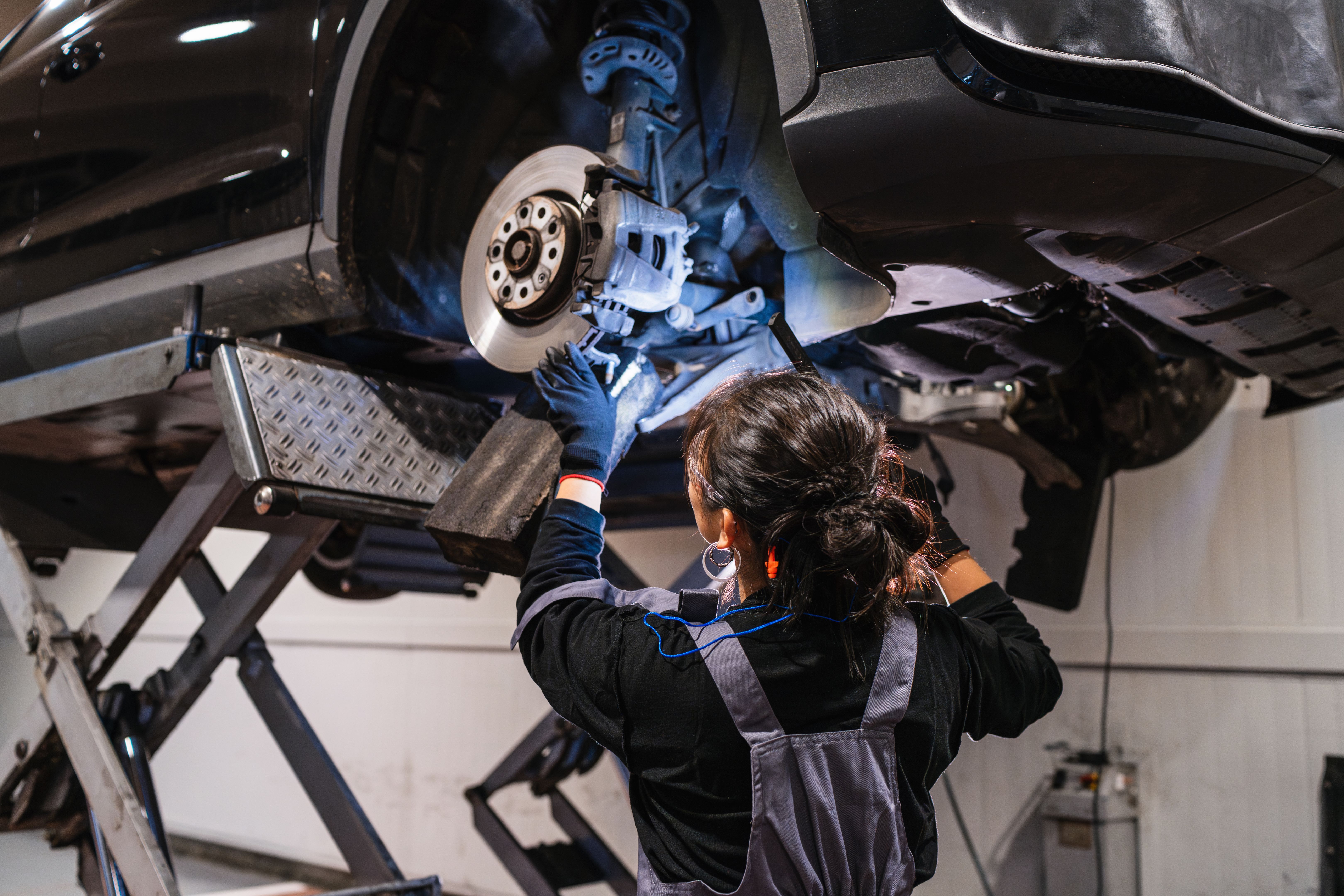
- Brake System Changes: Always consult with a professional when altering brake components. Safety must never be compromised.
Professional assistance ensures that these critical systems are upgraded correctly, maintaining the integrity and safety of your vehicle.
Legal and Safety Considerations
Before making any modifications, familiarize yourself with local regulations. Some areas have strict laws regarding emissions and noise levels. Ensure your tuning efforts comply with these regulations to avoid fines and penalties.
Additionally, prioritize safety with every modification. Use high-quality parts and tools, and if you're ever unsure, consult forums or experts for advice. Remember, the goal is to enhance your vehicle without compromising its safety or legality.

Conclusion
DIY car tuning can be an exciting journey when done correctly and safely. By understanding what you can tackle on your own and when to seek professional help, you can enjoy the benefits of a personalized, high-performance vehicle. Always prioritize safety, legality, and reliability in every modification you undertake.