
DIY Tips for Basic Car Diagnostics


Understanding the Basics of Car Diagnostics
Performing basic car diagnostics can save you time and money. With a little knowledge and the right tools, you can identify potential issues before they become major problems. Understanding your vehicle's warning lights, sounds, and overall performance is essential for every car owner.
Essential Tools for DIY Car Diagnostics
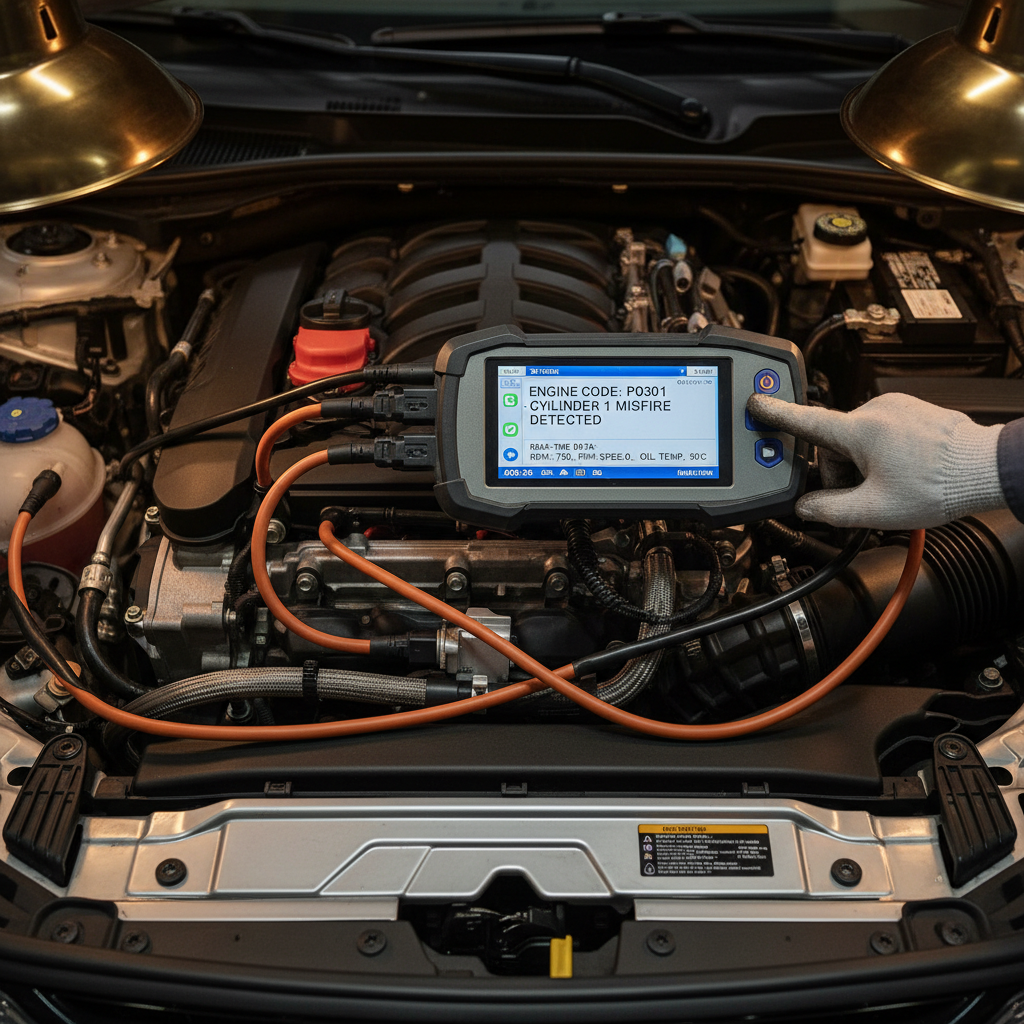
Before diving into diagnostics, ensure you have the necessary tools. A reliable OBD-II scanner is crucial for reading error codes from your car's computer. This device connects to your vehicle's onboard diagnostics system and translates the error codes into comprehensible information.
Additionally, having a basic toolkit with screwdrivers, pliers, and wrenches can assist in minor repairs. A multimeter is also useful for testing electrical components.
Reading and Understanding Error Codes
Once you have your OBD-II scanner, learning to read and interpret the error codes is the next step. These codes are alphanumeric and indicate specific issues within the vehicle. For example, a code like P0300 signifies a random or multiple cylinder misfire detected.
It's important to cross-reference these codes with a reliable source or the vehicle's manual to understand their implications. This knowledge allows you to decide whether the issue is something you can fix or if it requires professional attention.
Inspecting Physical Components
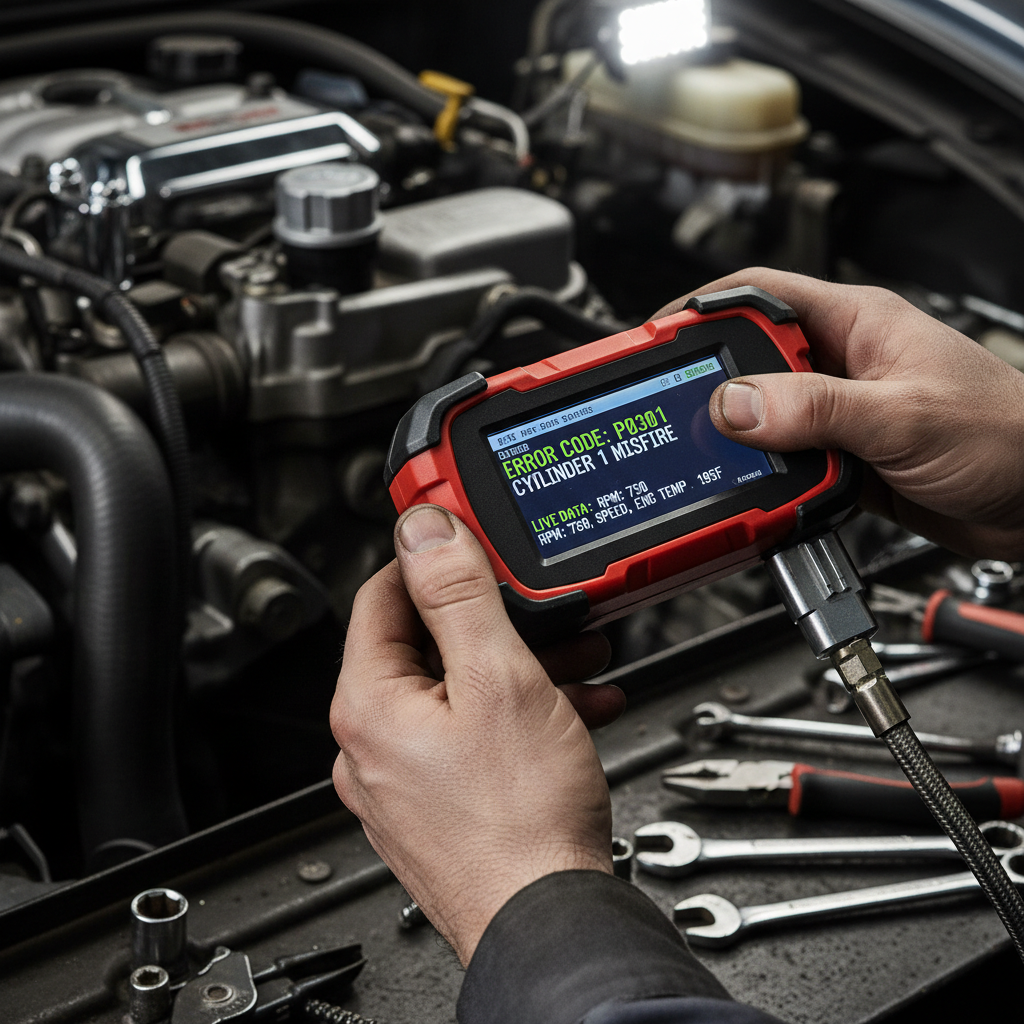
Beyond electronic diagnostics, visually inspecting your car is vital. Check the condition of belts and hoses for any signs of wear or leaks. A damaged belt can lead to engine overheating, while leaky hoses might cause fluid loss.
Additionally, inspect the battery terminals for corrosion. A simple cleaning can prevent starting issues. Regular checks help maintain optimal vehicle performance and prevent unexpected breakdowns.
Listening for Unusual Sounds
Your car often communicates through sounds. Unusual noises, like squealing brakes or grinding gears, can indicate underlying issues. Pay attention to these sounds and investigate their origin.
Sometimes, a simple adjustment or lubrication can resolve the noise. However, persistent or worsening sounds may require professional evaluation.
Monitoring Fluid Levels
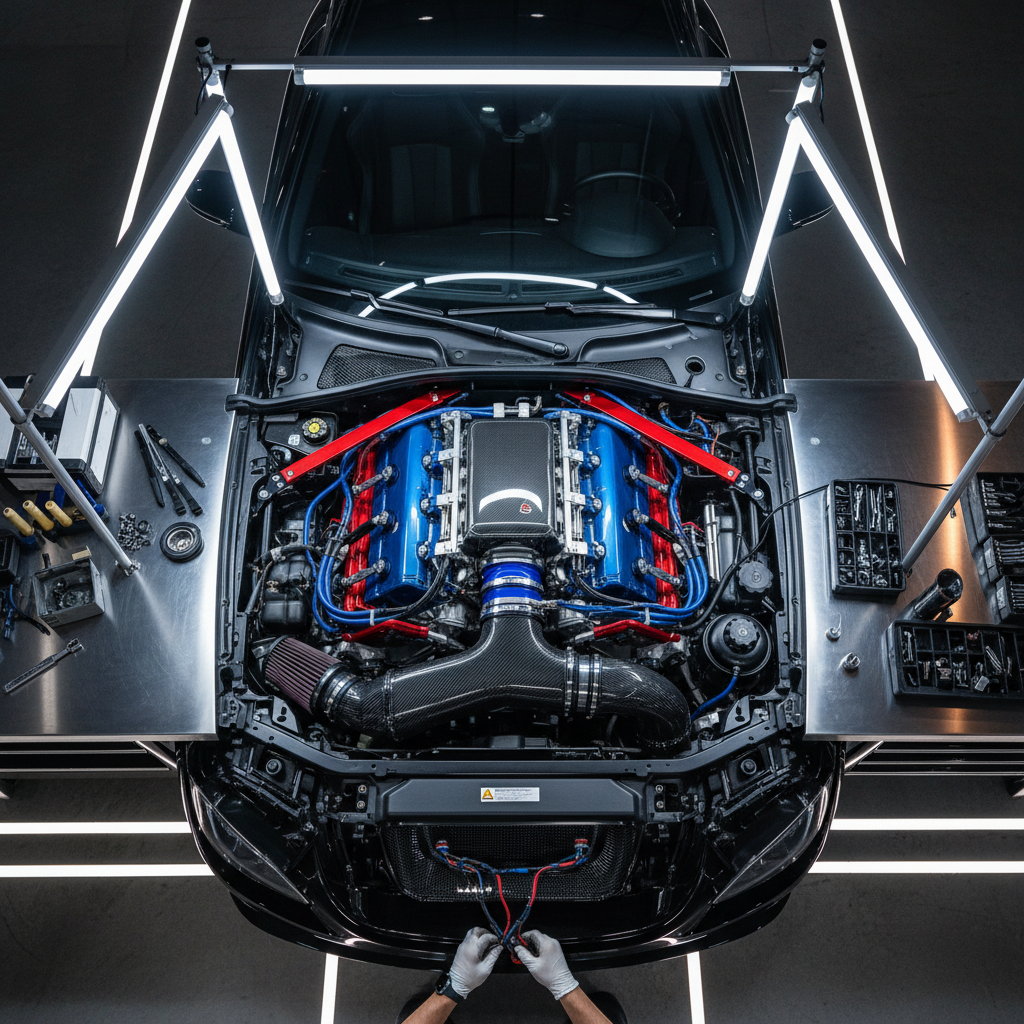
Regularly checking fluid levels is an essential part of car maintenance. Ensure that engine oil, coolant, brake fluid, and transmission fluid are at appropriate levels. Low levels can lead to serious damage and costly repairs.
If you notice frequent drops in fluid levels, inspect for leaks. Addressing these issues promptly can prevent more significant problems down the road.
Conclusion: Staying Proactive
Engaging in basic car diagnostics empowers you as a car owner. By staying proactive, you can enhance your vehicle's longevity and reliability. While DIY diagnostics can address many issues, remember that some problems require professional expertise. Regular maintenance and timely repairs are key to a smooth driving experience.