
DIY vs Professional Vehicle Diagnostics: What You Need to Know


Understanding Vehicle Diagnostics
With advancements in technology, vehicle diagnostics have become crucial for maintaining your car's health. Whether you're a DIY enthusiast or prefer leaving it to the professionals, understanding the basics can save you time and money.
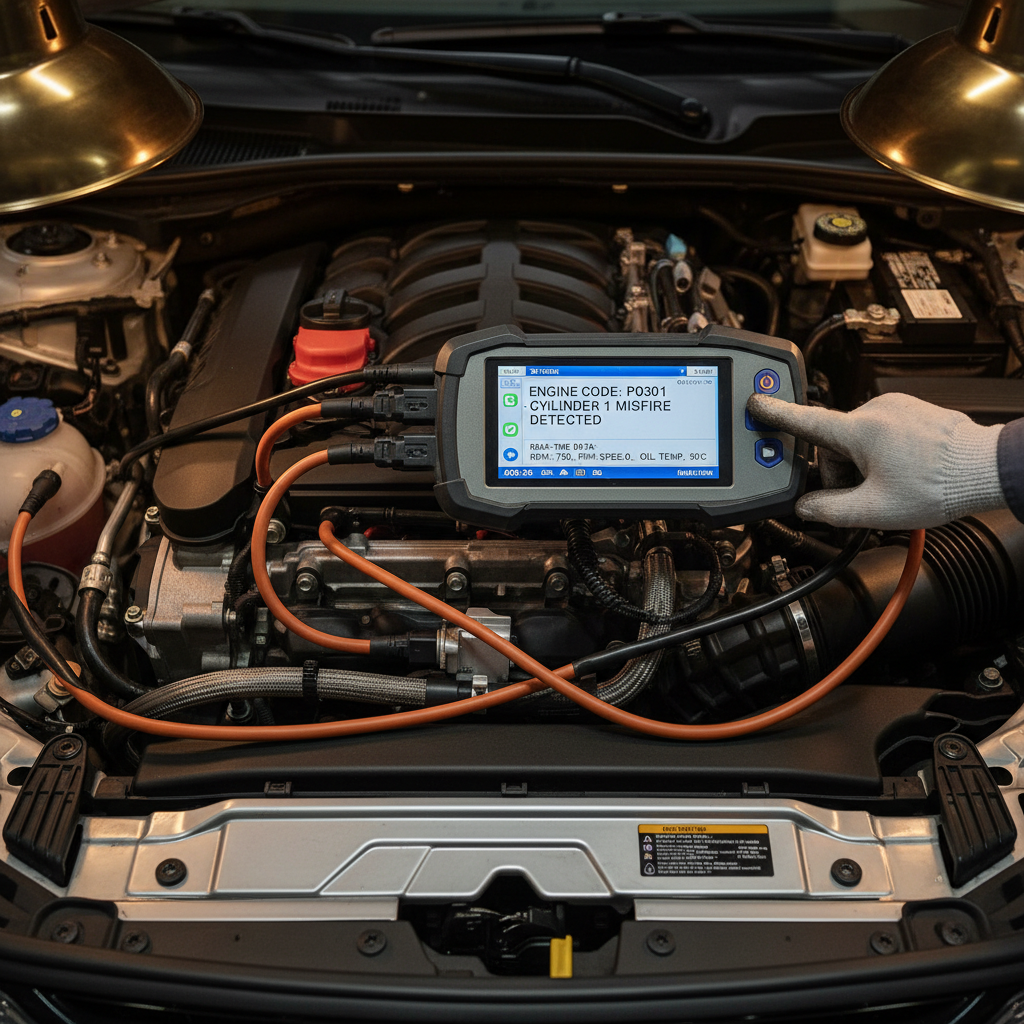
The Rise of DIY Vehicle Diagnostics
DIY vehicle diagnostics have gained popularity thanks to affordable diagnostic tools and apps. These tools allow car owners to identify minor issues without setting foot in a garage. However, it's important to know the limitations.
Benefits of DIY Diagnostics
One of the primary advantages of DIY diagnostics is cost savings. By investing in a reliable OBD-II scanner, you can quickly identify error codes and address minor issues. This empowers car owners to make informed decisions about repairs.
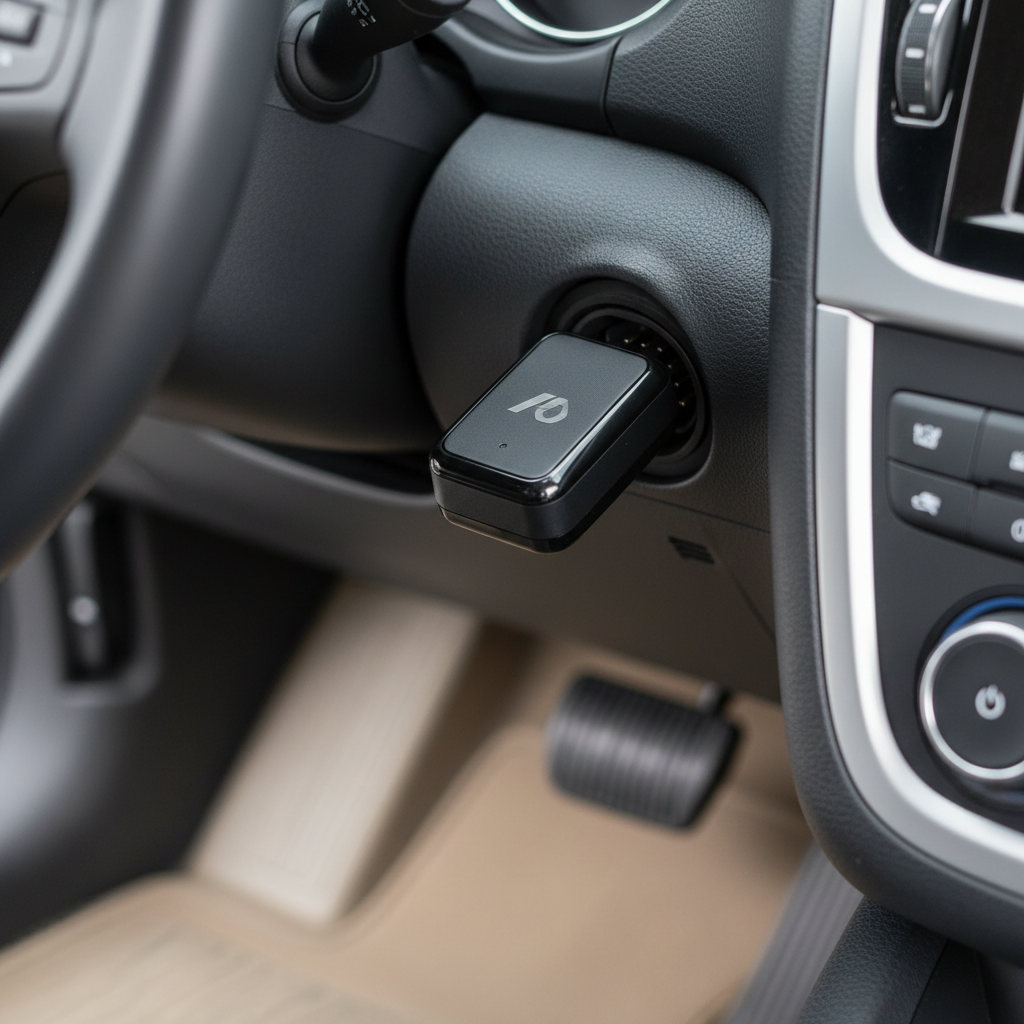
Limitations of DIY Approach
While DIY tools can be effective for basic diagnostics, they often lack the depth required for complex issues. Without professional training, interpreting error codes might lead to misdiagnosis, potentially causing more harm than good.
The Case for Professional Diagnostics
Professional diagnostics offer a comprehensive analysis of your vehicle's health. Trained technicians use advanced equipment to detect issues that might be overlooked by consumer-grade tools.
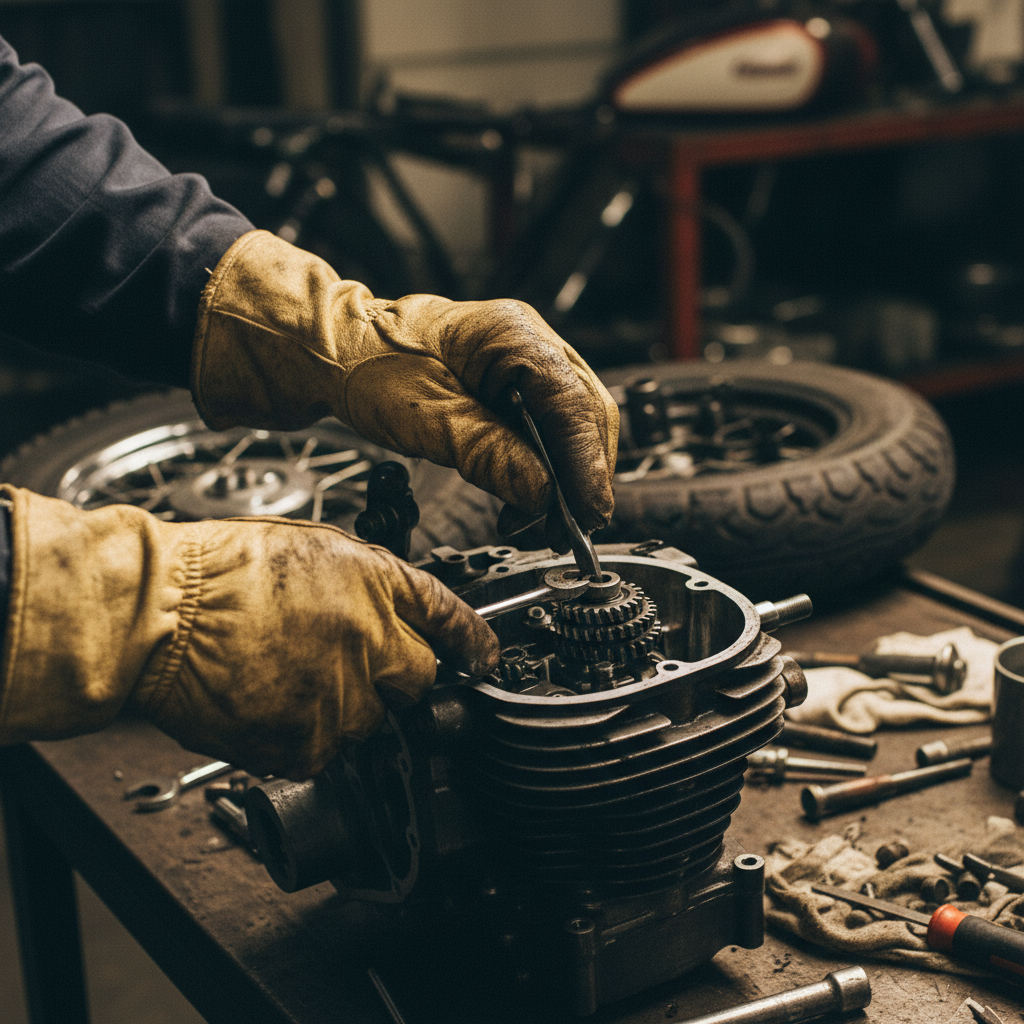
Advantages of Professional Diagnostics
Professionals bring expertise and experience to the table. They can accurately diagnose complex problems and provide tailored solutions. Additionally, professional services often include a thorough inspection, ensuring all aspects of the vehicle are checked.
Potential Downsides
However, professional diagnostics can be more expensive than DIY methods. There might also be a waiting period for appointments, which can be inconvenient if you're dealing with an urgent issue.
Making the Right Choice
Deciding between DIY and professional diagnostics depends on several factors, including your budget, the complexity of the issue, and your confidence in using diagnostic tools.
- If you're dealing with simple, straightforward issues, DIY diagnostics can be a cost-effective solution.
- For complex problems or regular maintenance, professional diagnostics are recommended.
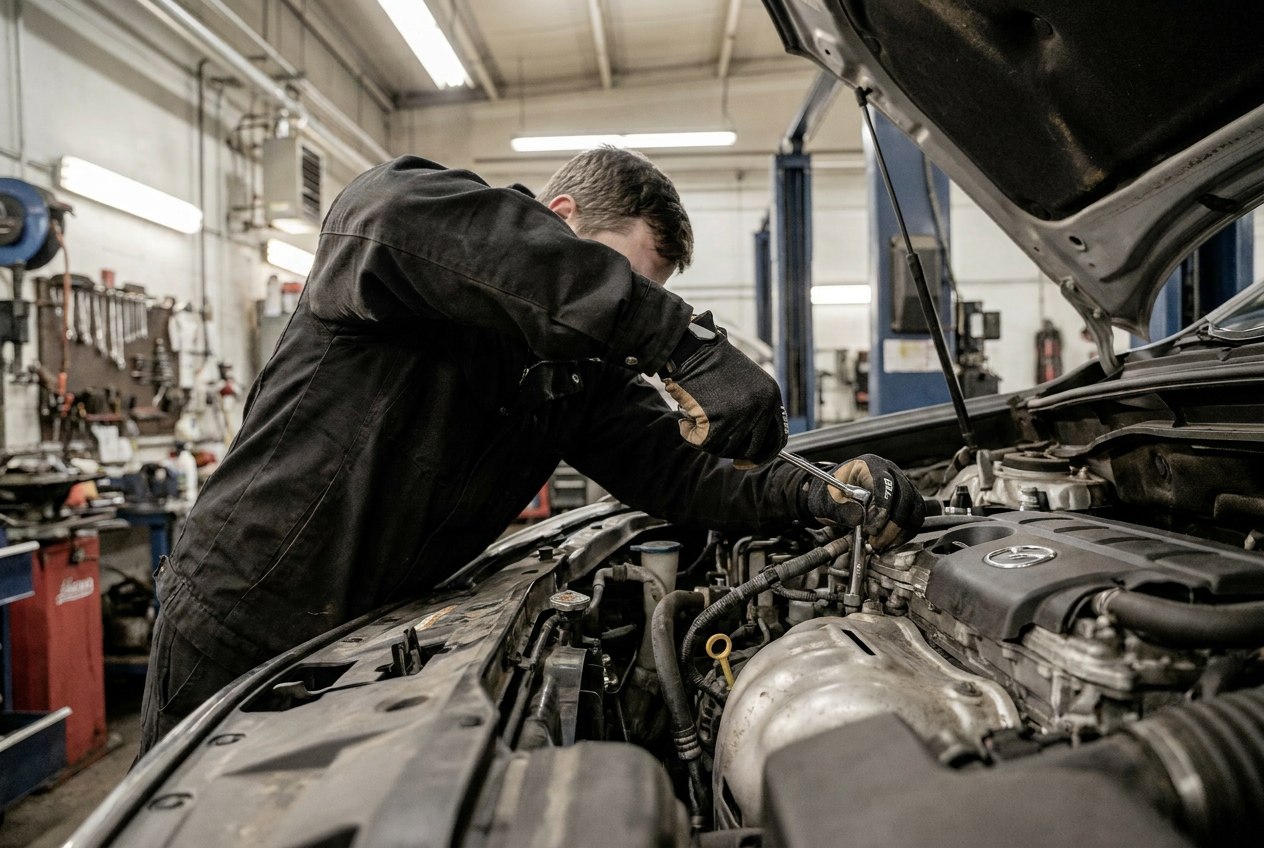
Ultimately, understanding when to use each approach can help ensure your vehicle runs smoothly and efficiently. By balancing both methods, you can maintain your car's health without breaking the bank.